
This is a free fortnightly newsletter about the New Zealand Net.
If you would like to be notified by email when a new edition is published, subscribe here.
Browse our Newsletter Archive and List of Net Tips.
Featured key
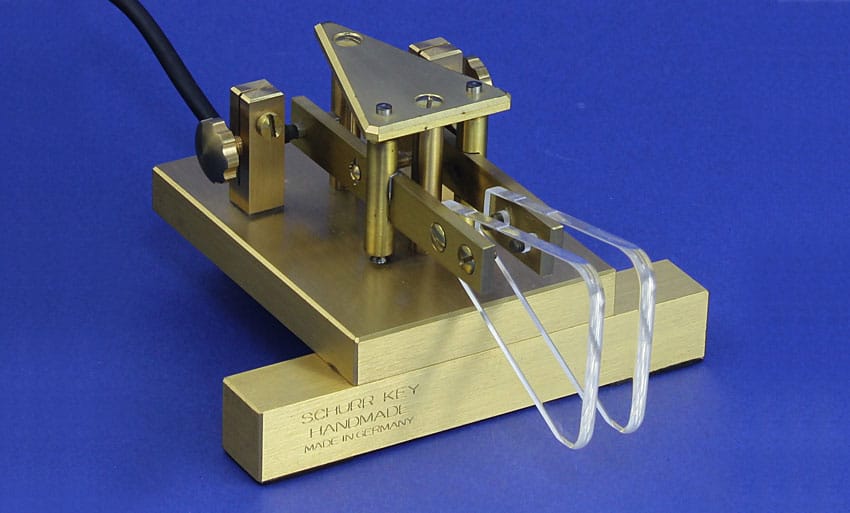
Photo: DL1DSN
This is a Wabbler key, one of the first types of dual-lever paddle to be made by the late German amateur Gerhard Schurr DH2SAA.
Markus DL1DSN has an excellent website dedicated to Schurr keys. Here are some of his comments about this one:
- A rather unconventional, T-shaped base. There were apparently variants of brass and steel (the brass version is heavier). Some pedestals carry the lettering ‘Schurr’ at the front.
- Many features of the (later) Profi keys can already be found here, e.g. the adjustment of the spring force via a common adjusting screw for the left and right paddle and the tip bearing of the paddle arms. The paddles themselves are screwed from the inside of the paddle arms (which) is essential with the squeeze keys. Bolting from the outside ALWAYS leads to a very large distance between the paddles and thus to a large distance between thumb and forefinger.
Quick notes
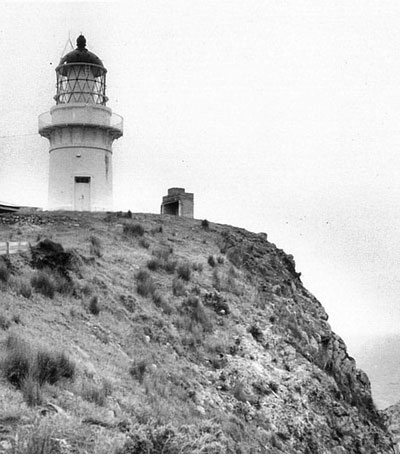 International Lighthouse Lightship Weekend is here. The event runs 0001 UTC 15 August to 2400 UTC 16 August 2026 (48 hours). If you are activating a lighthouse, please send words and photos so we can include them in the next newsletter. Bonus points for CW operation of course.
The photo, which was taken in the 1870s, is one of the clues in our Morse Challenge; read on to find out more.
NZ Sprints bring out the lows. Low temperatures, that is. The NZ Sprints require each operator to state their local temperature, and after the sprint on Tuesday 4 August, contest manager Mark ZL3AB commented that it “had to be the coldest night we have ever had for the Sprints. No one in ZL was above 8 and there were two minus temperatures!” The sprints continue each Tuesday for the rest of this month. That means our NZ Net attendance is down a bit on Tuesdays, but our absent members are doing us proud in the contest.
CW columnist wanted. Break-In magazine is looking for someone to contribute a CW column of 600-1200 words in each bi-monthly issue. Or it could be a shared role. If you’re interested, please contact the incoming BI editor, Ross ZL1DRB.
E51KEE signs off for another year
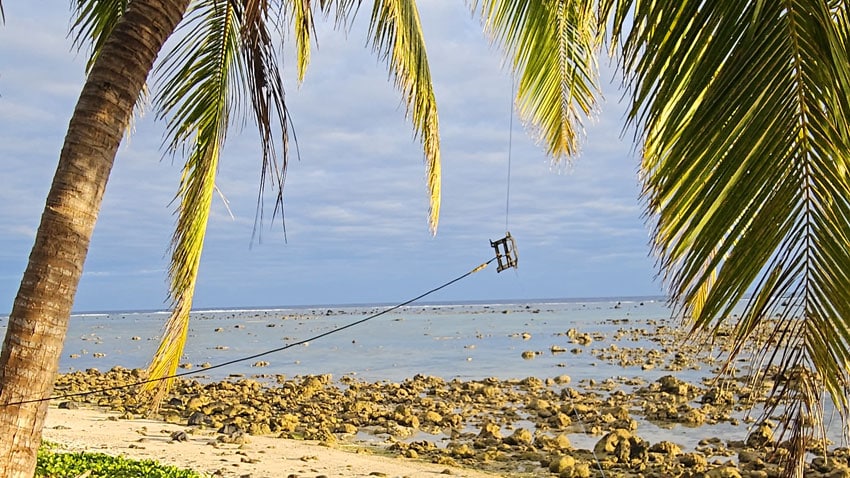
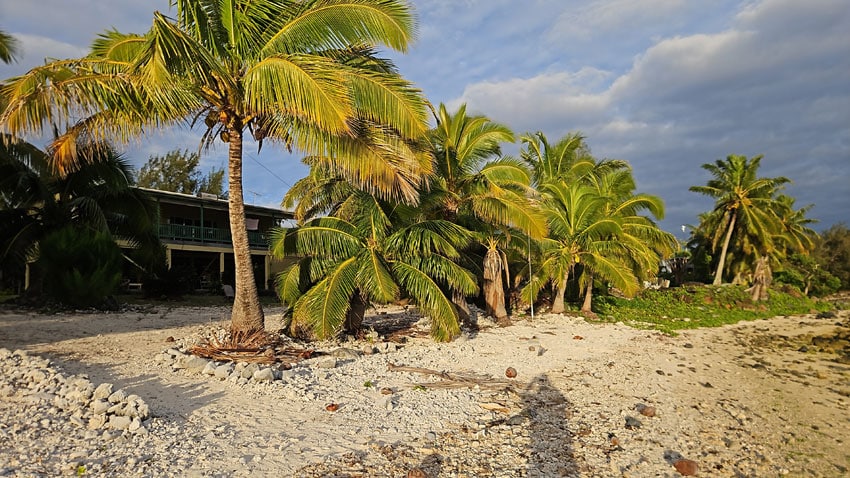
Steve ZL2KE has just finished spending three weeks in Rarotonga, operating as E51KEE. His antennas this time were a ZS6BKW, an End-Fed, a 15m quarter-wave vertical and a 10m vertical sloping dipole.
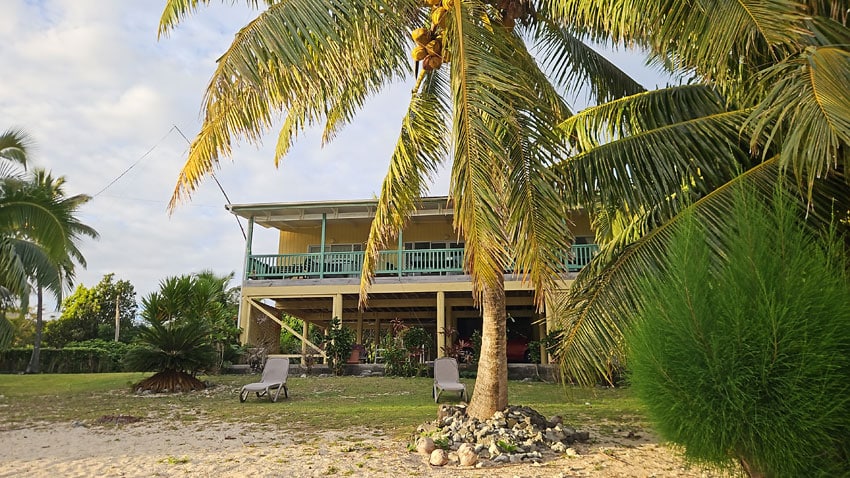
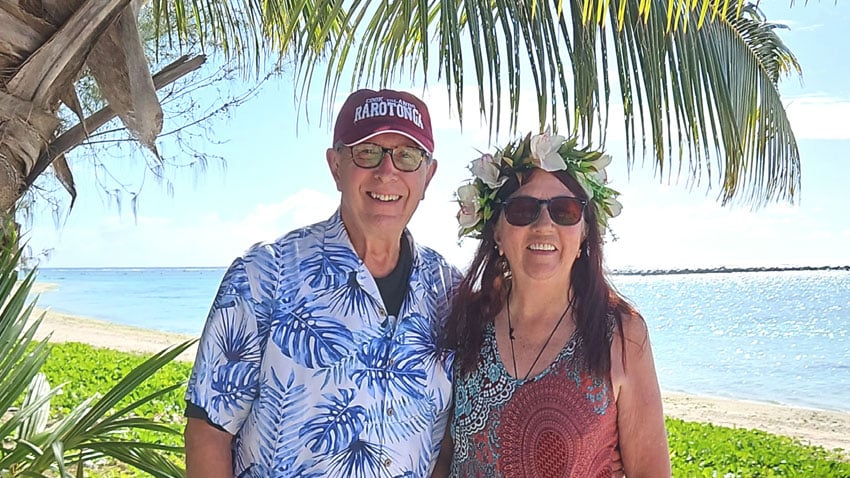
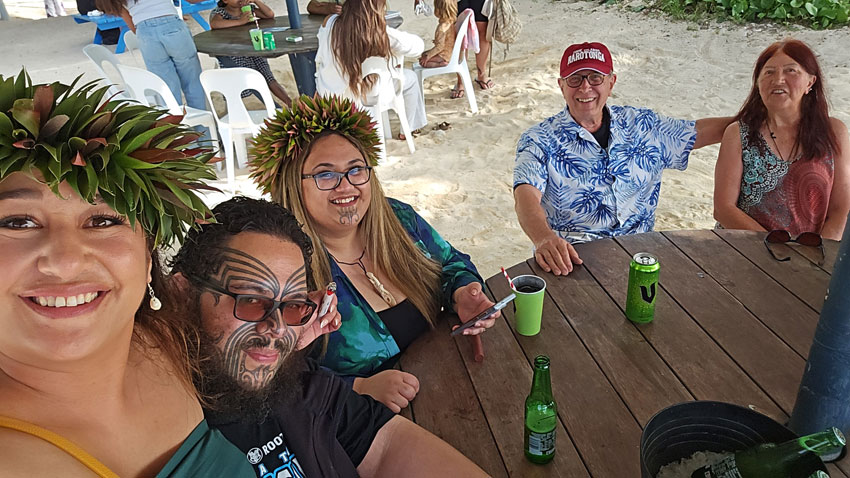
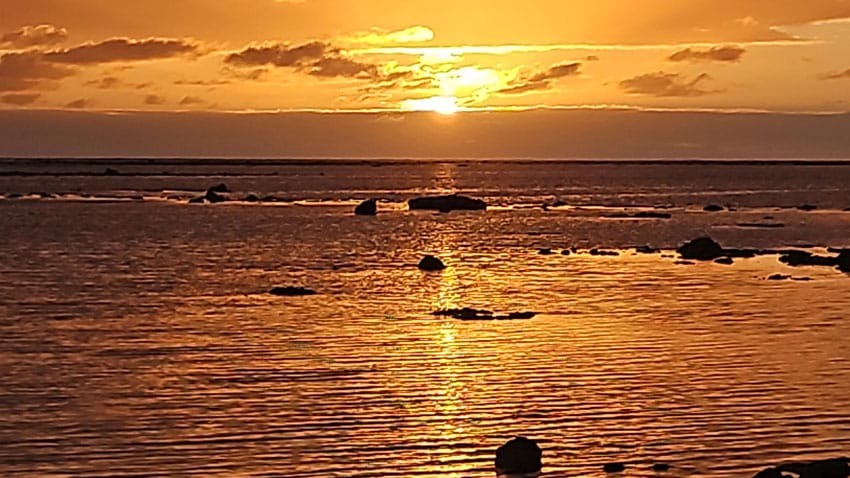
On 10 August, Steve reported:
- Propagation has been very good with pile-ups on 10, 15 and 20m. 10m has been surprising with night time contacts into Europe and Japan. I have logged over 800 contacts.
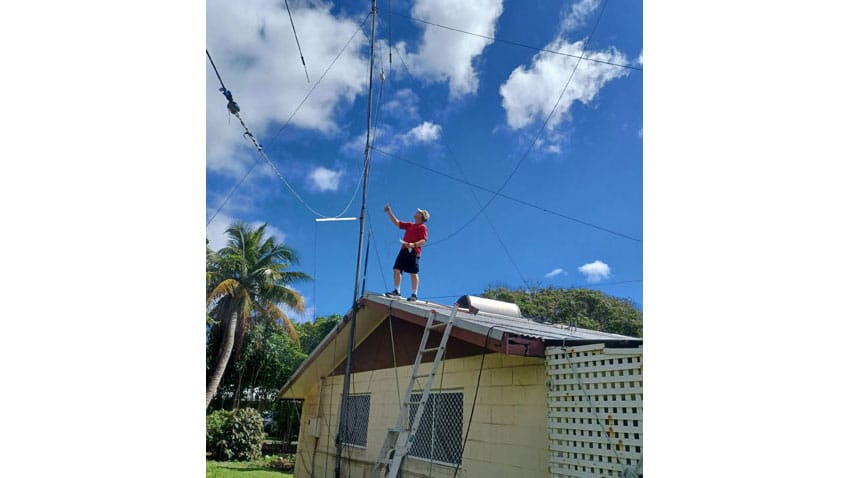
- I formed a team of 3 to take down the damaged hex beam and mast at Jim’s – E51JD. I was up on the roof of Jim’s QTH several times adjusting the 20 and 40-15 m inverted V antennas. We managed to bring the SWR down to about 1.2:1 for 20 and 40m, but 15m remains high at about 3:1 and Jim does not have a tuner. E51CZZ and I connected the new power supply for Jim’s amplifier sent from Germany by Christian DK8DV. Jim was very thankful for all of our help (done in hot sweaty sunshine) and treated us to a late lunch at a classy beachside restaurant. Jim is now active again on 20m with the inverted V and 300 watts.
- The 10m vertical / sloping dipole next to the lagoon high tide mark has significantly outperformed the end-fed antenna.
- Generally 20 and 15 have been the best bands.
- The 15m quarter wave vertical next to the high tide mark of the lagoon has performed superbly, with pile ups from Europe, USA and Japan. 15m DX is usually from sunrise until after sunset, however I had pile ups around 11.30 PM to 1 AM Rarotonga time.
- Our best time for DX is near sunset. This is approximately 0330 to 0600 UTC. However 10, 12, and 15m usually = daytime DX, not only at sunrise and sunset.
- End-fed antenna + 9:1 erected over palm trees with far end only a few meters from lagoon. Made contacts on 80, 40, 30, 20, 17, 15, and 10 plus reverse beacon report on 12m. Pile ups into Europe and USA on 20m. Propagation has been good, with K index down as low as 1 and 0. [Steve used this antenna to check into the NZ Net.]
- E51CZZ arrived 25 July, with a great multiband DX antenna, the ZS6BKW. We managed to erect this antenna up high in the clear between 2 coconut palm trees.
Photo flashback
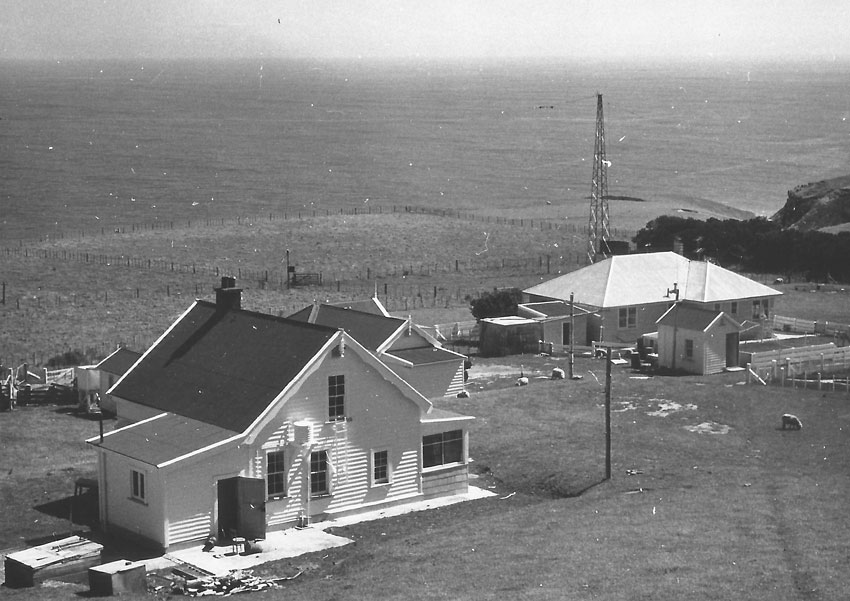
Here’s another clue for our Morse Challenge. The photo is much more recent than the one above, but was taken at the same site. The small building with a gable roof near the right hand edge of the photo is a radio hut.
Net numbers
NR30 R ZL1NZ 47/44 AUCKLAND 0900Z 1AUG26
=
NZ NET
=
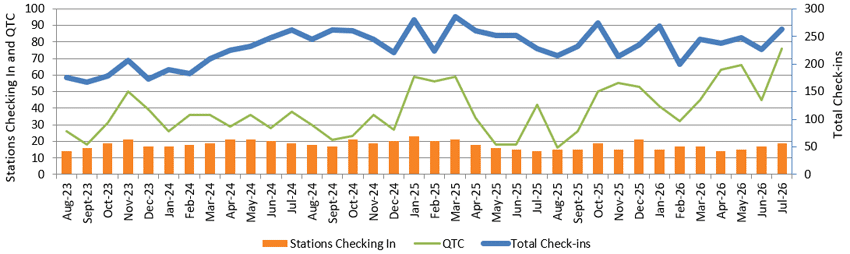
JUL QNI 3D2BP 1 E51KEE 1 VK3DRQ 29 VK4PN 13
ZL1AJY 9 ZL1ANY 28 ZL1AYN 3 ZL1BDS 22 ZL1NZ 30
ZL1PX 29 ZL2GD 17 ZL2KE 3 ZL2LN 11 ZL2TE 9
ZL3TK 17 ZL4FZ 13 ZL4GW 17 ZL4KX 10 ZL4LDY 1
TOTAL 263 QTC 76
=
ZL1NZ
Welcome aboard
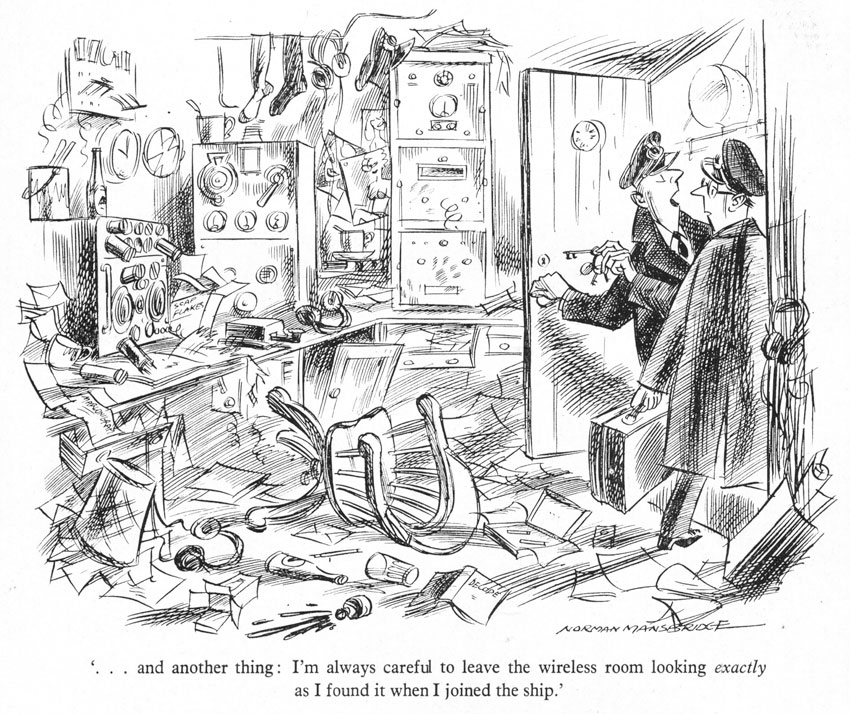
Marconi Mariner magazine
Net tip: QSA
We continue our look at Q signals with QSA.
As a question, QSA? means: “What is the strength of my signals (or those of …)?”
As a reply, or a statement, QSA means: “The strength of your signals (or those of …) is …”
Strength is given on a 1-5 scale:
1 – scarcely perceptible
2 – weak
3 – fairly good
4 – good
5 – very good
One rarely hears QSA used these days, since we have the RSN and RST systems. But you will hear it during Maritime Radio Day each April. And if you are working a former coast radio station, such as K6KPH or ZL1ZLD, a QSA/QRK report is quite appropriate.
The A-Z of Q Signals
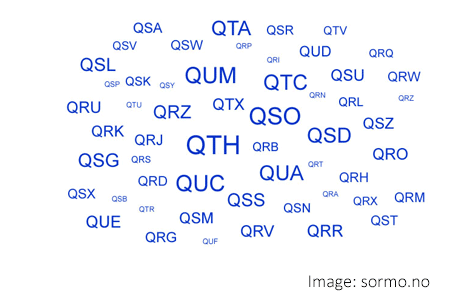
A well-run CW net is a lovely thing to experience. Communication between stations is quick and concise, and the net business is conducted with minimal time wasted.
As CW operators, we have many techniques to communicate quickly and efficiently. And if we know and use these techniques, we can often match or exceed the speed and accuracy of voice communication.
One of our most important tools is the set of Q Signals (or Q Codes), and in this series we look at the “essential” ones, in alphabetical order.
Morse challenge
Send your answer via radiogram (or email if no propagation) to ZL1NZ.
Our previous Morse challenge asked: “Which company made the 20th Century Key and which problem did the key attempt to address?” The correct answers were:
- Foote & Pierson
- Repetitive Strain Injury (or Telegraphers’ Paralysis, Glass Arm or Carpal Tunnel Syndrome)
Correct replies were received from VK3DRQ, ZL1AYN, ZL1ANY and ZL3TK.
Advertising archive
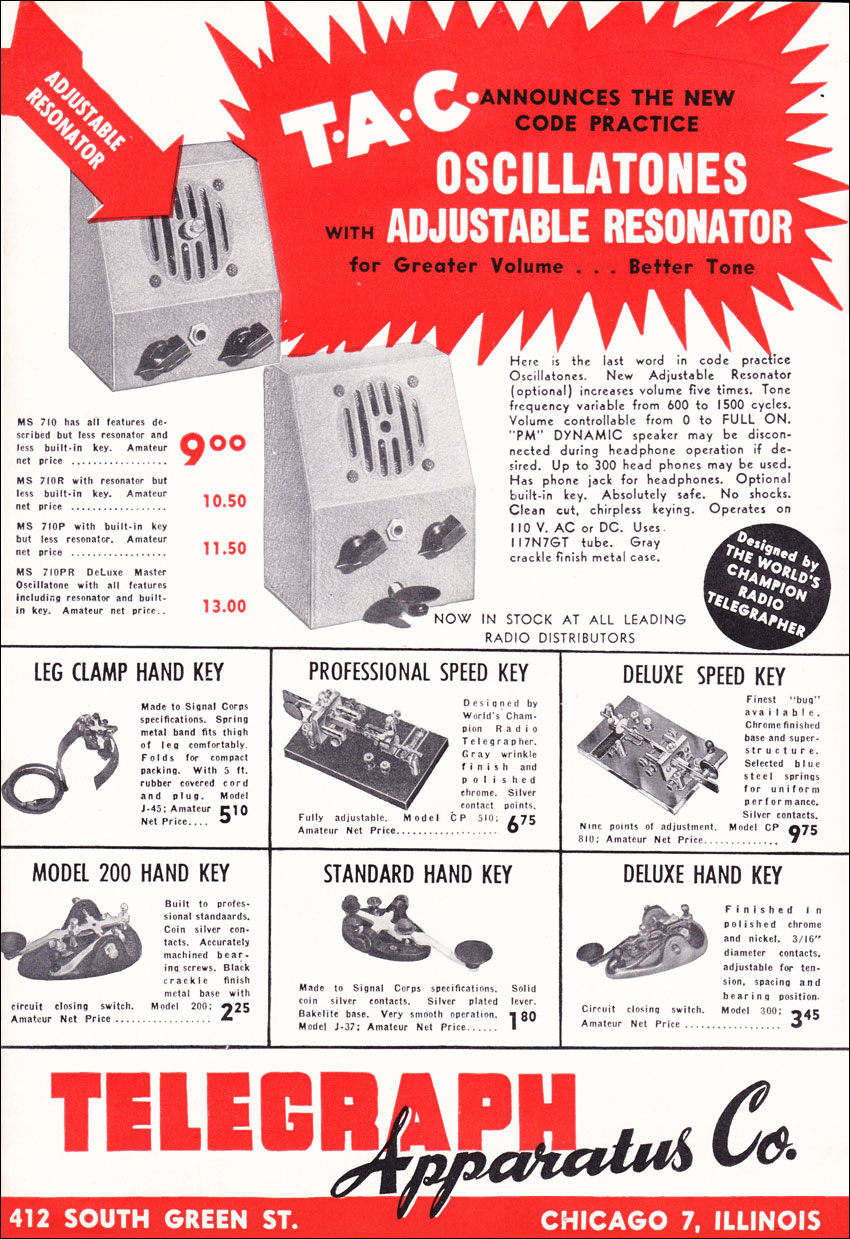
ARRL: The Radio Amateur’s Handbook, 1946
NZ Net tally board
Suggestions?
If you have suggestions on how to make the NZ Net better, or things you’d like to see covered in these newsletters, please contact ZL1NZ. Articles and photos will be gratefully received!
Thanks for reading, and I hope to hear you soon on the NZ Net!
—
Neil Sanderson ZL1NZ, Net Manager
New Zealand Net (NZ NET)


 Open the menu by clicking the “burger” icon at top right.
 Many menu items can be expanded to reveal subpages by clicking on the arrow. Click again to collapse the menu item.